Is there an ayahuasca retreat center in Pasaje Paquito?
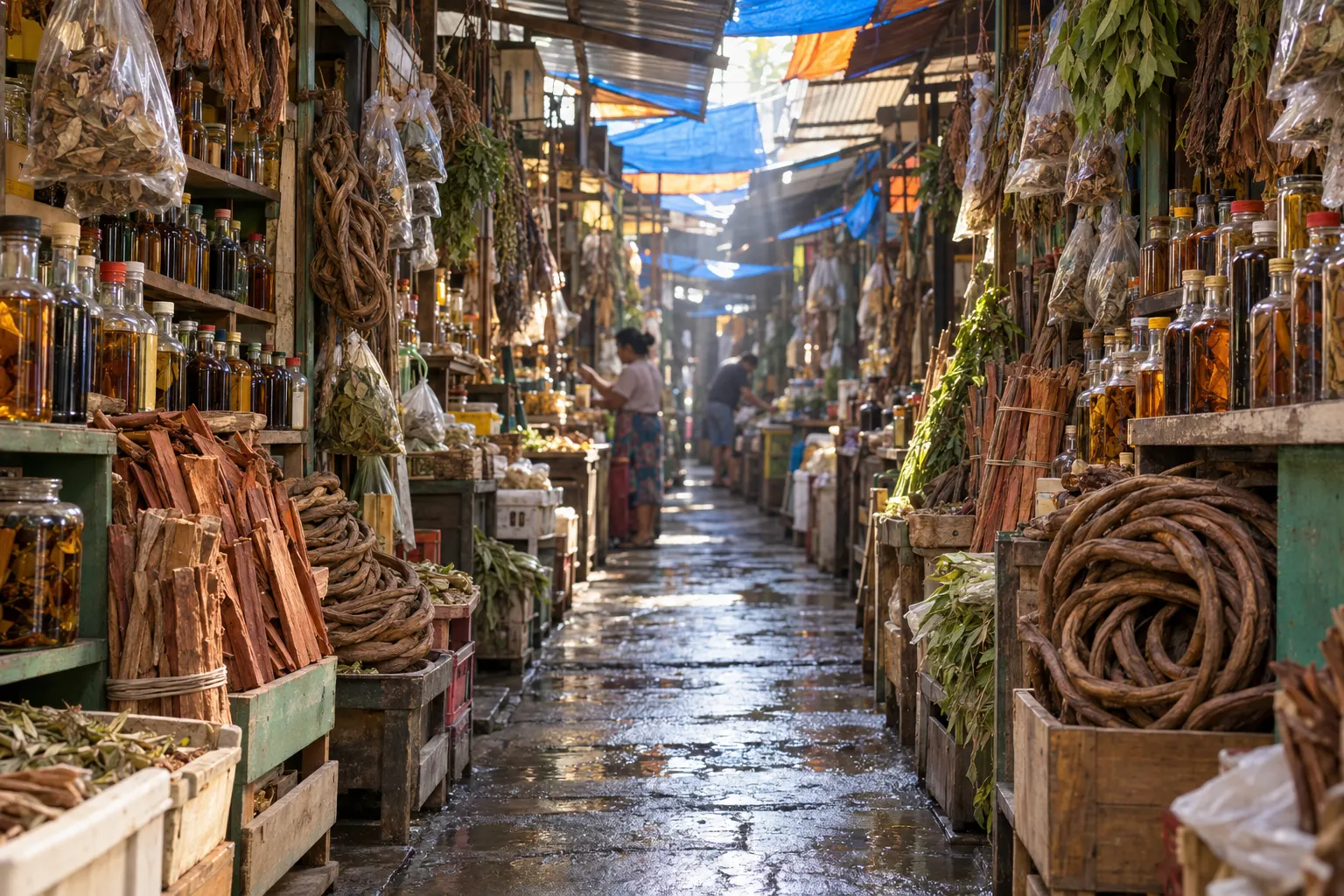
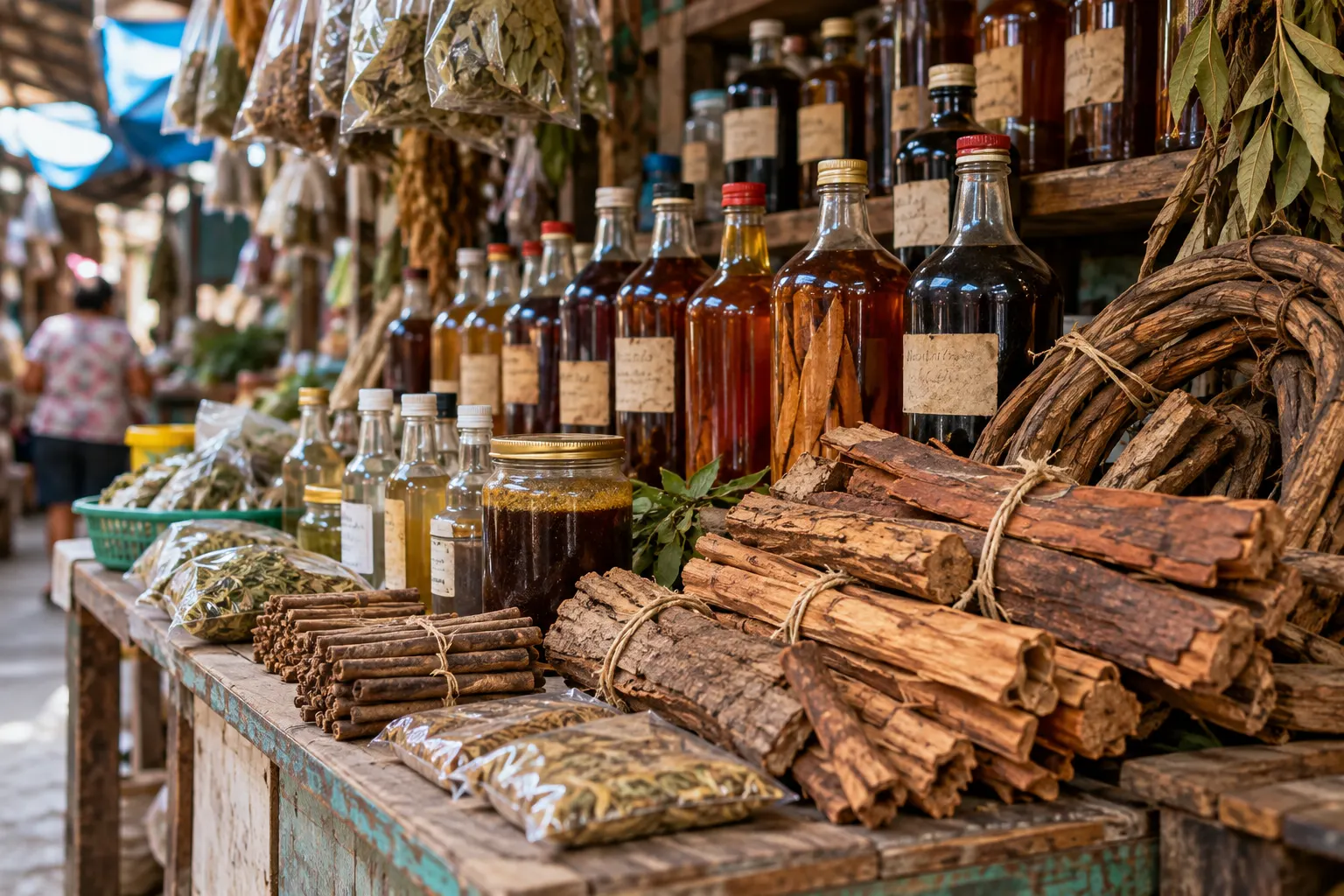
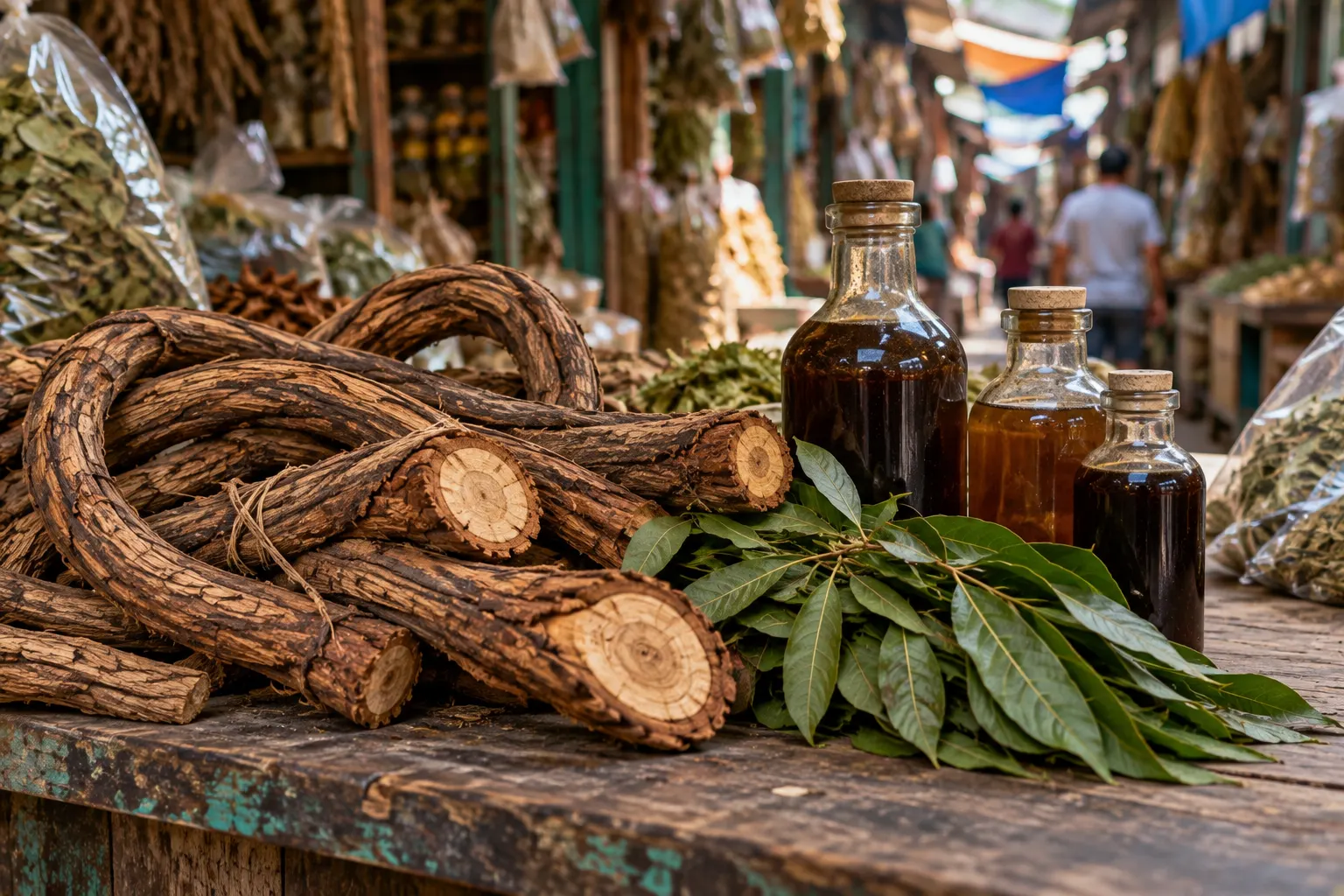
Not inside the alley itself. Pasaje Paquito is the herbal passage of Belén market in Iquitos, a narrow run of stalls selling uña de gato, chuchuhuasi, sangre de grado, flowering baths and ayahuasca by the bottle. It is worth an hour of your trip as a customer. Ceremonies need a quiet maloca, a physician and a road to a hospital, so retreat centers, ours included, sit outside the city. Our Quistococha house is about 13 km south of the alley by road.
How far is your retreat center from Pasaje Paquito?
Our Quistococha house is about 13 km south of the alley, roughly 30 to 40 minutes by car depending on traffic, at kilometre 6.5 of the Iquitos-Nauta road. Our other road houses, such as Santo Tomás and Llanchama, are also reached without a boat, while river houses such as Mishana add a launch up the Nanay. Guests are collected at Iquitos airport, so you only make the trip from the alley if you visit it on a day in the city before your week.
Can I buy ayahuasca in Pasaje Paquito and drink it myself?
You can buy it; the vendors are real and know their plants. What you cannot buy in the alley is everything that makes drinking it safer and useful: a physician who has read your medications and your cardiac history, a maestro who has watched you for 2 nights, a room with someone awake in it until dawn, and a plan for the hours when it gets hard. A market bottle drunk alone in a hostel is the exact scenario our screening exists to prevent, whatever is in the bottle, because the ceremony is missing.
Why do people search for a retreat center in Pasaje Paquito?
Because the alley is famous. It is where Iquitos buys its plants, and one of the most visible places in the city where ayahuasca is sold over the counter. Fame makes a search term, and some centers claim an address in the alley that they do not have. Our houses are outside the city, each with its hospital number printed, and the Quistococha house is about 13 km from the stalls.
Is visiting Pasaje Paquito worth it?
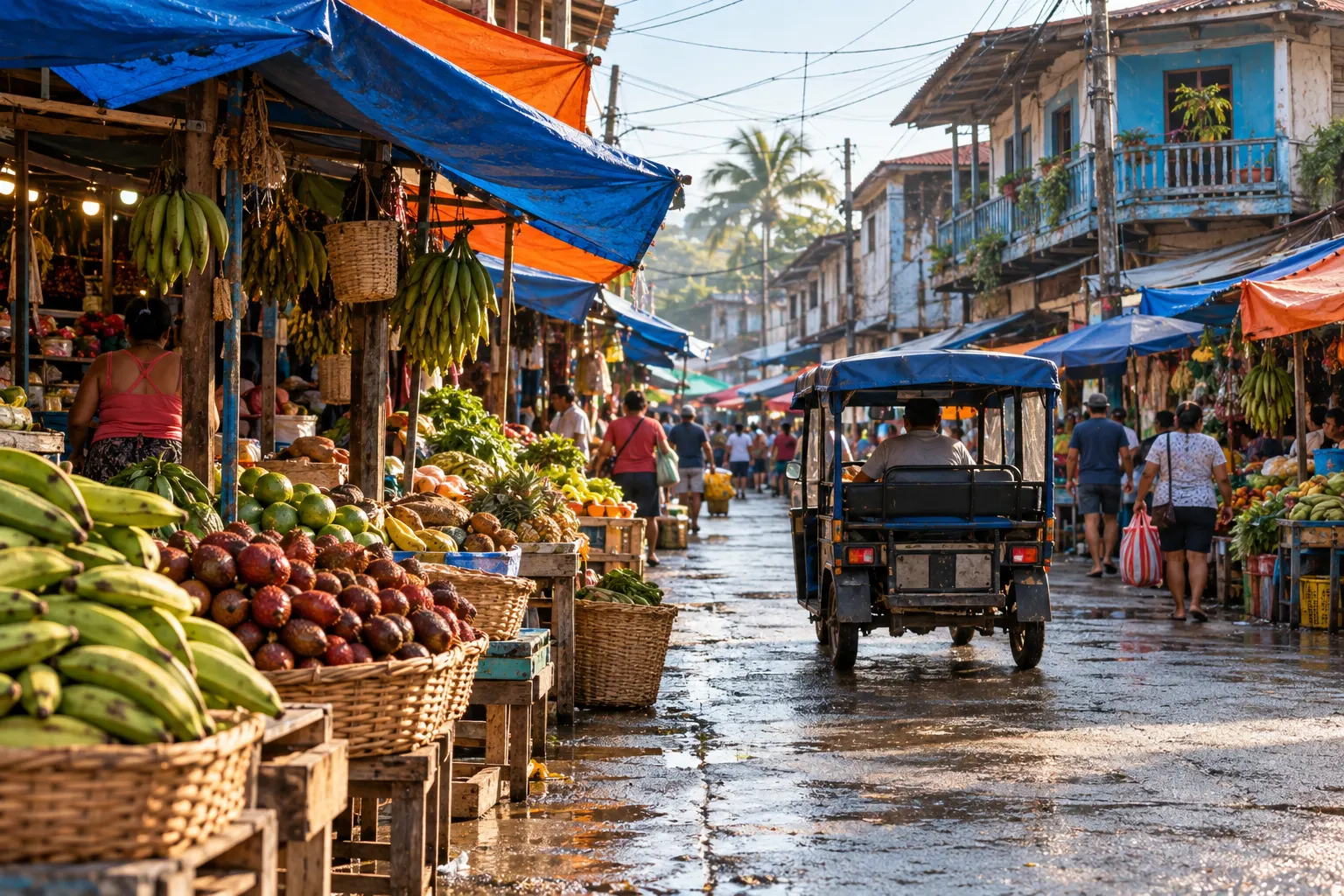
Yes, as a customer with open eyes. Go in the morning, ideally before 10 am, keep your phone in a front pocket, buy bark, honey or a flowering bath from the person who made it, and ask before photographing anyone. Belén is one of the city’s poorest districts and one of its hardest working; the respect you bring is the price of admission. Go before your retreat week, not during the dieta.
Are the vendors charlatans?
Mostly no, and the sneer is unearned. The plant knowledge in the alley is real and runs deep. The mismatch is between what a market can sell and what a visitor intends to do with it. A vendor selling vine to a curandero who will cook and serve it inside a tradition is old commerce in Iquitos. The same bottle sold to someone who will drink it alone tonight is a different transaction, and the difference is not the vendor’s to manage.
Where does your own medicine come from?
From chacras, planted gardens beside our houses, cut and cooked on site by the maestros who serve it. We do not buy ceremony brew in the market. The market’s plants are not the problem; our protocol starts with knowing what is in the cup and who made it, and the supply line is printed on every house page.
Which of your houses can I reach from Pasaje Paquito by road?
Quistococha, about 13 km south of the alley, and our other road houses, including Santo Tomás, Llanchama, Varillal and Nueva Esperanza. Mishana and the other river houses add a launch. Every house runs 12 guests, 4 ceremonies over 7 nights, a physician on site every night, hospital numbers published house by house, and 1 application in 5 declined in writing.
How many guests, and how much does it cost?
12 guests, never more, with 2 maestros in every ceremony. $5,800 for 7 nights all inclusive: 4 ceremonies, a private room, the dieta kitchen, physician screening and on-site care, an optional Kambo session, airport transfers, and 12 months of integration calls. Nothing is charged until a physician confirms your place.
Is ayahuasca legal to buy in Iquitos?
Ayahuasca is legal in Peru, and
in 2008 the traditional knowledge and use of ayahuasca by Amazonian peoples was declared part of the nation’s cultural heritage. The alley’s trade is open. Legality should not decide your week; the questions that should are who reads your medical file, who is awake in the room, and how far the hospital is. Ask them of anyone you consider, including us. The brew may not be brought into the United States.
Does ayahuasca cure depression or PTSD?
No. We make no medical claims, and ayahuasca is not a treatment for any condition. Participants report lasting change, and we cite the peer-reviewed research with its limitations rather than around them.